
Outsourced business development has become a practical way for manufacturers to support growth without pulling focus away from running the shop. In an environment where sales cycles are long and opportunities take time to develop, having someone consistently working the pipeline makes a real difference.
For many shops, the goal isn’t aggressive expansion. It’s keeping good work flowing through the floor in a more predictable way, so capacity doesn’t sit idle one month and feel overloaded the next.

Why U.S. Manufacturers Are Turning to Outsourced Business Development
U.S. manufacturing still has room to take on more work. Recent data from the Federal Reserve shows that manufacturing capacity utilization sits below long-run averages, which means there is available capacity across the industry. When that capacity lines up with a steady flow of qualified opportunities, it’s easier to grow revenue without major changes to overhead.
This is where outsourced business development can help. Instead of relying on sporadic outreach or waiting for inbound RFQs, having a team consistently building conversations help turn available capacity into booked work over time
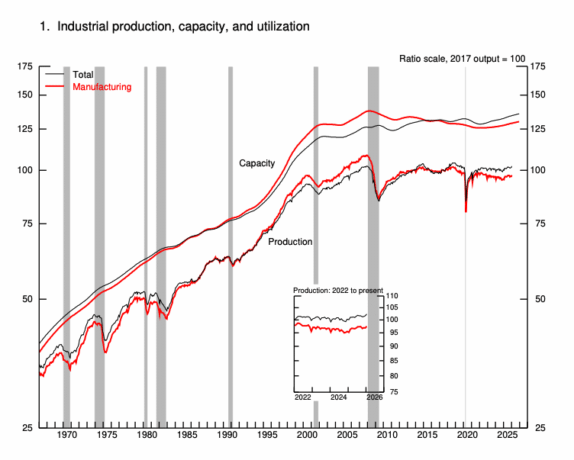

Source: Federal Reserve Board – G.17 Industrial Production and Capacity Utilization
How Long B2B Manufacturing Sales Cycles Make Outsourced Business Development Essential
Industrial buyers don’t move quickly, and they don’t engage through one channel. Research from McKinsey on how B2B customers buy shows that purchasing decisions now span multiple touchpoints and channels before a buyer ever reaches out to a supplier.
That means growth isn’t just about being good at quoting when RFQs arrive. It’s about staying visible to buyers while they research, evaluate options, and line up suppliers internally. Outsourced BD supports this by maintaining consistent touchpoints so conversations stay warm as buying cycles progress.
How Buyers Shortlist Suppliers Before Sending RFQs
Before an RFQ hits your inbox, buyers are already narrowing their options. Industrial buyer research shows that online presence plays a role in how suppliers are evaluated early in the process.
Outsourced business development helps keep your company visible during that early filtering stage by making sure the right buyers are hearing from you, seeing your name, and recognizing what you’re capable of before a formal need arises.
What Outsourced Business Development Provides That an In-House Team Can’t
Outsourced BD works well in manufacturing because it adds structure to something that’s naturally uneven: outbound engagement.
Instead of outreach happening only when someone has time, outsourced BD provides:
- A consistent cadence of outreach
- Intentional targeting of buyers that match your capabilities
- Follow-up over time as needs develop
- Continuity across longer buying cycles
This doesn’t replace your internal sales or estimating process, it supports it by ensuring conversations are always moving forward in the background.
Is Outsourced Business Development Right for Your Manufacturing Company?
If you’re thinking about outsourced BD as a growth lever, a few practical questions help frame the decision:
- Do we have capacity we’d like to fill more consistently?
- Are buyers in our markets taking longer to commit?
- Would steady, targeted outreach help support our quoting flow?
- Do we want internal teams focused on delivery while market engagement continues in parallel?
Outsourced business development isn’t about replacing what already works. It’s about supporting growth by making pipeline creation more consistent and intentional.
Predictable growth doesn’t come from timing, it comes from structure
Manufacturers don’t rely on timing to hit quality or delivery targets. Growth works better when it’s built the same way with structure behind how the market is engaged.
That’s how Factur approaches business development: not as a one-off tactic, but as a system that supports long-term growth. When the pipeline runs on process, growth becomes easier to forecast and easier to sustain.


